
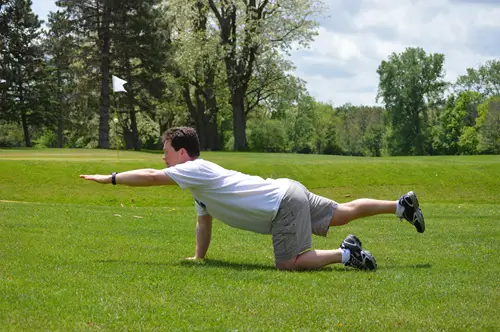
 How Movement Can Influence Joint Pain
When a joint hurts, moving it may feel like the last thing you want to do. Yet movement does more than strengthen muscles or improve flexibility. It also helps regulate the environment inside your joints and can influence how your nervous system processes pain. Some people experience less pain sensitivity during or after exercise, but this response varies from person to person.
Understanding the Connection Between Movement, Joint Function, and Pain
Movement helps circulate fluid inside your joints and supports the delivery of nutrients to cartilage – the tissue covering the ends of your bones.
The amount of physical activity and exercise matters. Too little movement can contribute to stiffness and reduced function, while excessive loading can contribute to irritation and injury. More activity isn’t always better.
Movement also provides information about joint position and motion, supporting proprioception – your sense of where your body is and how it is moving. The authors suggest that appropriate movement may help maintain this sensory function as well as confidence in movement.
How Movement Supports Joint Health – and Why the Right Amount Matters
There’s no single exercise formula that works for everyone. The goal is an appropriate amount of movement for your joints and symptoms – not avoiding all activity or pushing through every symptom. This review brings together human, animal, and laboratory research, so some proposed benefits and mechanisms still need further study in people.
Further discussion of a natural approach to pain relief with emphasis on lifestyle (and a corresponding youtube video), is found on our website. This a broad overview of how nutrition, exercise, sleep, smoking, stress, chiropractic and other factors can influence our pain.
Source Article: Labusca, L.; Puha, B.; Dmour, B.-A.; Onu, I.; Tirnovanu, M.C.; Tîrnovanu, Ș.-D.; Dmour, A. Motion as Medicine: Physical Activity, Joint Sensitivity, and Pain Management—A Narrative Review. Med. Sci. 2026, 14, 495.






Leave A Comment